Around the Corner from Lauriston: Six Short Walks from Sacred Heart
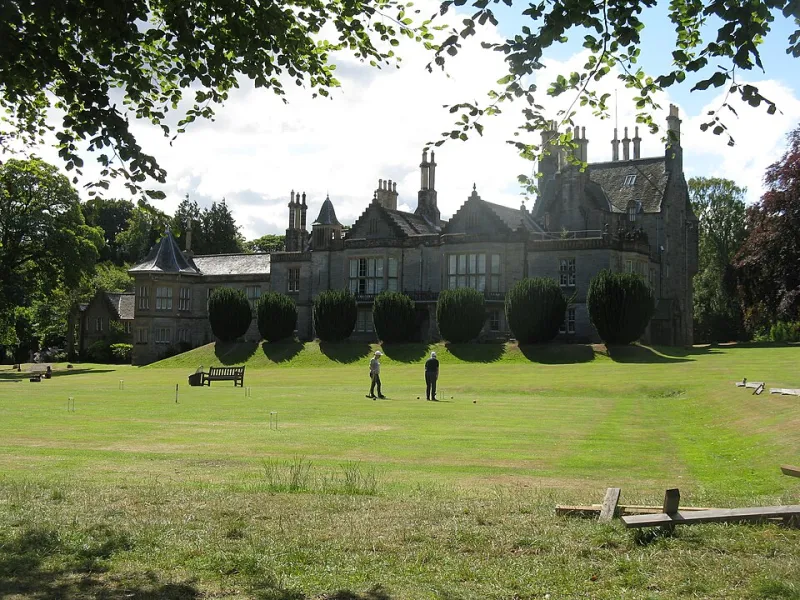
Photo: M J Richardson , CC BY-SA 2.0, via Wikimedia Commons
Five minutes is a modest promise. From the doors of Sacred Heart on Lauriston Street, it is also a generous one: turn in almost any direction and you are already inside a neighbour's everyday Edinburgh. This is not a heritage trail, and it is not a race. It is a walking map for the winter of 2026, when the light goes early and the pavements are damp, and when a short walk with a purpose can be the best part of the day. Parishioners, visitors and curious neighbours can use it in any order. The only rule is to look up from the phone now and then.
Start with the rules of a short walk
Each route below is roughly five to ten minutes at an ordinary pace. Add a few minutes for traffic lights, a chat at a crossing, or the temptation of a bakery window. If you are heading further afield, the buses along Lothian Road and the stops near the Grassmarket do much of the work. But the point of this map is the bit before the bus: the small stretch of city that belongs to the people who use it every day.
One: the Meadows, via Lauriston Place
Cross towards Lauriston Place and keep going until the trees open out. This is the route for anyone who needs air rather than errands. Edinburgh College of Art sits nearby, so the pavements often carry students with portfolios, dog walkers with firm opinions about the weather, and people taking the long way home on purpose.
In November the plane trees are bare and the light is low, but the Meadows still do what they always do: they make the city feel wider. A bench, a coffee from a nearby counter, a lap of the paths. The small landmark here is the boundary between stone streets and grass, and the way the noise drops by half when you cross it. It is also a reminder that Sacred Heart is not sealed off from the city. It sits within a few minutes of one of Edinburgh's shared lungs.
Two: Bread Street to the Grassmarket
Down Bread Street, the city changes gear. Cafes, small shops, the smell of something baking, and then the Grassmarket with its cobbles and its weekend market stalls. In five minutes you can move from a quiet church door to a place where tourist Edinburgh and local Edinburgh share the same pavement.
The bus stops nearby are useful, but the walk itself is the point. Look for the close mouths and the old stone corners. Look for the people who work in the area, not just the people photographing it. This route is good for a quick errand, a pint, a card, or a bag of something warm. It is also the route to take if you want to remember that a parish is not only a building and a rota: it is a set of habits, and the streets around it are part of the furniture.
Three: Tollcross for the practical errands
Up to Tollcross, where the pavements are busier and the buses are frequent. This is the practical route: pharmacy, bakery, a few shops, the King's Theatre close enough to make an evening out feel local. It is not glamorous, and that is why it is useful. Most neighbourliness is made of practical things.
If you need to post a letter, buy a loaf, catch a bus or meet someone for a quick coffee, this is your five minutes. The small landmark is the crossing where everyone waits and nobody quite knows the sequence of the lights. The bigger lesson is that a church's neighbourhood is not just the pretty streets. It is also the queue at the counter and the bus that is two minutes late.
Four: George IV Bridge and the written word
Thread north towards George IV Bridge, by way of Guthrie Street or Chambers Street, and you find the Central Library, the National Museum and the edge of Greyfriars. This is a quieter route for a wet afternoon, and a good one for visitors who want a sense of the city's older spine.
Five minutes will not get you around the museum, of course. But it will get you to the door, and sometimes that is enough. The small landmark is the way the streets narrow and then open again, as if the city is letting you through. For parishioners, it is a reminder that Sacred Heart sits within a short walk of the places where Edinburgh keeps its stories. For neighbours, it is simply a good route for a slow hour.
Five: Fountainbridge and the canal
Towards Semple Street and Fountainbridge, the city turns more modern: flats, offices, cafes, and then the canal at the edge of the map. This is a five-minute route with a longer tail, if you want it. Walk beside the water and the city softens. Keep going and you are in a different kind of Edinburgh, one of bridges and towpaths and people walking dogs in all weathers.
The small landmark here is the moment the street opens to the canal. It is not grand. It is just a change of pace. That is often what a short walk is for: not to arrive somewhere important, but to arrive somewhere slightly different from where you started.
Six: the loop back to the hall
Return via Cambridge Street or the side streets behind Lauriston, and you end up back at the hall door. This is the route with no destination, which makes it the most neighbourly of the lot. You pass the noticeboard, the steps, the people carrying chairs, the small knots of conversation after an event.
The last route is not really a route at all. It is a reminder that the five-minute map works both ways. Sacred Heart is not just a place you walk from. It is a place you walk back to.
A map for all seasons
Use this map in any order. Use it on a dry morning or a dark afternoon. Add your own bench, your own shortcut, your own cafe. A neighbour's map is never finished. If you find a better crossing, a warmer waiting spot or a quieter way back, tell someone. That is how a parish keeps its streets alive: not by printing the perfect guide, but by walking them, and then sharing what we find.