The Sound of the Hour: Sacred Heart’s Bells, Clock and the Neighbours Who Keep Time
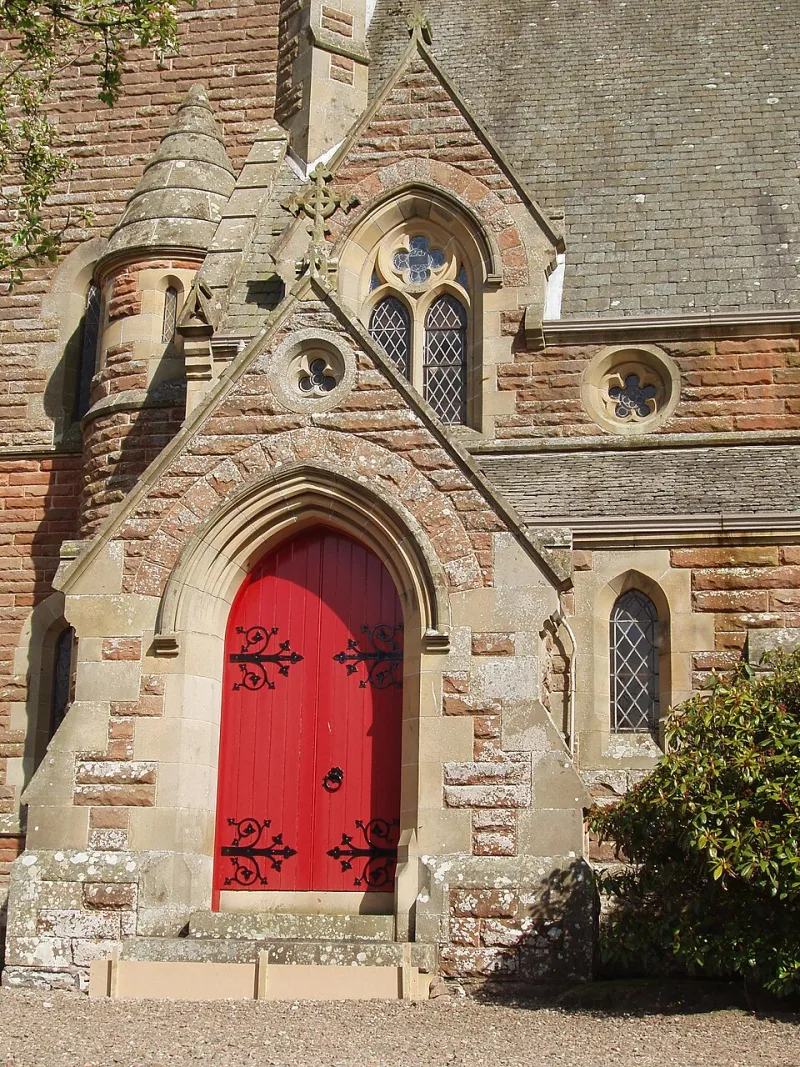
Photo: Stuart Caie from Edinburgh, Scotland, CC BY 2.0, via Wikimedia Commons
On Lauriston Street, the bells do not arrive as a performance. They arrive as punctuation. A few notes carry over the roofs, thread through a conversation, and then the street goes back to itself. For some people the sound is background; for others it is the small hinge on which a morning turns.
That is the strange usefulness of a parish clock and bells. They are heritage, yes, but they are also a public service dressed in stone. Before watches were common and phones were not yet imagined, church clocks helped a city agree on the hour. At Sacred Heart, that old civic habit has never quite gone away.
A Tower That Does More Than Point Upwards
The church’s Victorian tower is easy to admire from a distance and easy to ignore day to day. Up close, though, it is a working part of the building rather than a decorative cap. The clock face, the bell frame and the stairways behind them all need looking after. Dust, weather, temperature and simple age do not pause for an anniversary or a busy Sunday.
Parish volunteers describe the tower in the language of maintenance rather than mystique. Check the mechanism. Listen for anything that sounds different. Log the fault. Arrange the specialist visit. Keep the records. It is not glamorous work, and that is rather the point. A clock that keeps good time is usually a clock that somebody has been quietly attentive to.
The bells themselves are not there to compete with the city. They mark the parish’s own pattern: Mass, weddings, funerals, the Angelus, the great seasons of the Church’s year. On an ordinary Tuesday they may barely register. On a still morning, or at a funeral, they can carry further than expected and land with unexpected weight.
The People Who Wind, Watch and Worry
The tower team is small, as these teams tend to be. One volunteer speaks about the clock as a neighbour might speak about an elderly relative: fondly, but with a list of things to check. Another mentions the peculiar responsibility of being trusted with something that belongs to everyone and no one in particular.
Local historians place Sacred Heart’s tower in a wider Edinburgh story. Church clocks were once part of the street’s practical furniture, alongside school bells, factory whistles and the posted time at the observatory. They helped people keep appointments, catch trains, open shops and get children home. The clock was not merely a symbol of the parish. It was part of the machinery of the day.
That helps explain why neighbours notice when something is wrong. A bell that fails, or a clock that hesitates, is not a catastrophe. But it is an absence. People may not know the mechanism, yet they know the pattern. The ear learns a street even when the mind is elsewhere.
Neighbours on the Hour
Ask around the surrounding streets and the answers are pleasantly varied. One resident uses the bells as a gentle prompt to leave for work. Another, who spent years on night shifts, learned to sleep through them and now finds their return comforting. A shopkeeper says the clock is useful mostly because customers mention it: if the bell has just gone, the day must be getting on.
Not everyone is sentimental about it. Some hear only noise on a Sunday morning. Others would prefer a quieter corner. That mix is part of parish life in a city centre, and the volunteers seem to accept it. A tower does not belong only to the people inside the church. It belongs to the streets that hear it.
The most interesting remarks come from people who notice silence. When the bells are paused for maintenance, the corner feels slightly unmoored. Regular sounds become invisible until they stop. Then the street seems to be waiting for something it cannot quite name.
Keeping Time Without Turning Into a Museum
The risk with a building like Sacred Heart is that affection turns it into a postcard. Admire the stone, take the photograph, move on. But a clock is not heritage in a glass case. It is a machine with a daily job, and the people who care for it are not preserving a frozen past. They are keeping a routine going.
That routine costs time and money. Towers need inspection. Mechanisms need specialist attention. Records need to be kept so that the next person knows what the last person did. Volunteers can do only so much, and the parish office is usually glad to hear from anyone with relevant skills, or simply with patience and good humour.
There is also a quieter contribution that neighbours make: they listen. They report a strange noise. They mention that the clock seems slow. They ask whether the bells will ring for a particular occasion. That sort of ordinary attention is part of the building’s upkeep too.
As 2026 turns towards 2027, the tower will do what it has always done. It will mark the hours for people who are rushing and for people who are waiting. It will ring for the parish and, whether they realise it or not, for the corner. Keeping parish time is not a grand gesture. It is a habit of care, repeated until it becomes the sound of home.