Notes Between the Pews: Where to Hear Sacred Heart Sing in 2026

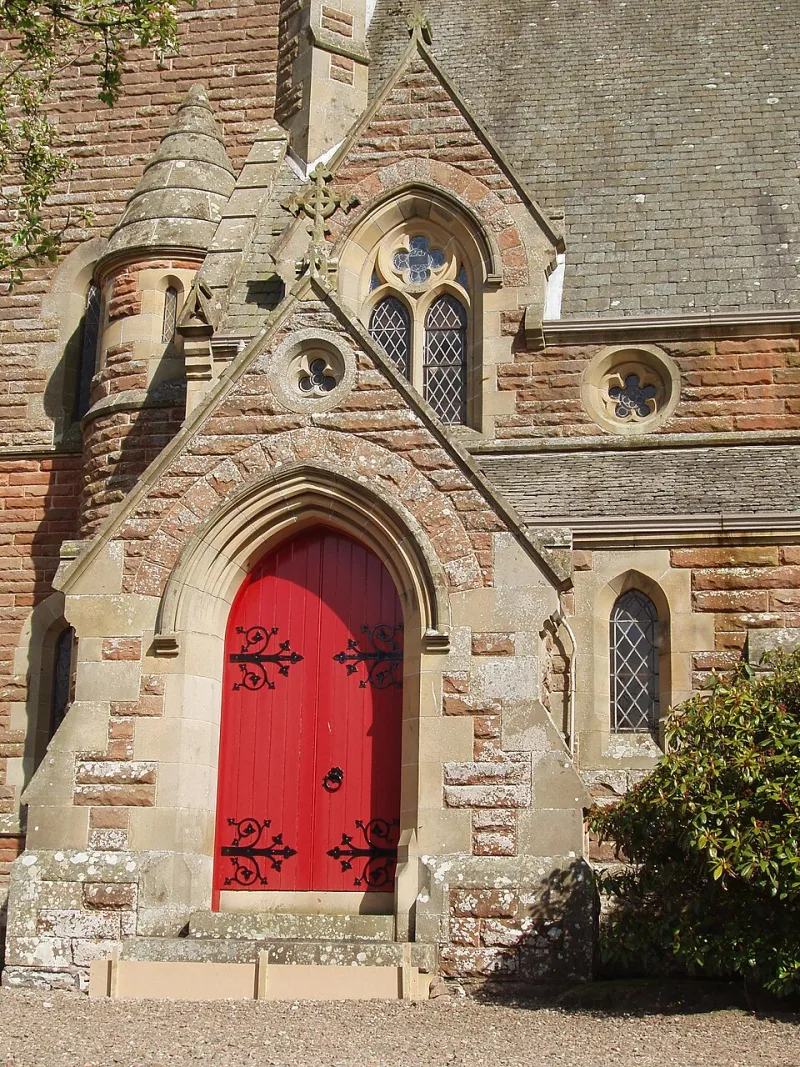
Photo by Photo by SOHAM BANERJEE on Unsplash on Unsplash
Walk past Sacred Heart on a weekday afternoon and you'll often hear the building before you see it. Not traffic, not the usual city hum — something with pedals and patience. Someone is up in the organ loft, working through a passage for the fourth time, stopping, starting again. It is one of the least advertised and most enjoyable things about living near the church, and it costs nothing but a few minutes of standing still.
This is a guide to that sound: where it comes from, when you can hear it, and how a neighbour — churchgoer or not — might slot into it across 2026.
An instrument that keeps office hours
The organ at Sacred Heart is the kind of thing most of us notice only at Christmas, when it is doing something loud and triumphant and everyone is on their feet. But it has a quieter working life. Practice tends to happen in short, unglamorous bursts during the week — half an hour here, twenty minutes there — which is why the music you catch through the door is so often a fragment repeated until it stops being a fragment.
What you're hearing is a pipe organ doing what pipe organs do in old churches: filling a tall stone room with sound that behaves quite differently from anything a speaker can produce. The low notes you feel in your chest more than hear. The high ones seem to arrive from somewhere above and slightly behind you. Acoustics like this are not a happy accident; buildings of this age were shaped, in part, to carry a single voice to the back row, and an instrument with several hundred pipes exploits that ruthlessly.
If you have a spare ten minutes and the door is open with a noticeboard in the porch, it is perfectly normal to sit at the back. Nobody will ask you to move.
The choir, half-visible
On Thursday evenings the church gets a second personality. The choir gathers, robes stay on their hangers for a while yet, and the first twenty minutes are the most interesting: unaccompanied warm-ups, a few bars of something old, a discussion about a vowel. It sounds, from the outside, pleasantly chaotic.
Sacred Heart's singers are a mixed bunch — regulars who have done this for decades and people who joined after moving into the flats nearby and wondering what that building was. They rehearse repertoire you'd recognise even if you couldn't name it: plainchant lines that seem to float, Victorian hymn tunes with sturdy harmonies, and the occasional modern piece that takes a couple of listens to settle.
Doors are often left ajar during rehearsal, especially in warmer months. Treat it as you would a friendly open window: enjoy it, don't film it.
Hymns you already know without knowing you know
The congregational singing is the part most visitors underestimate. A room full of ordinary voices — not trained, not miked, just people who have sung these words since childhood — produces a sound that no recording quite captures. If you were at school in Scotland, or have ever been to a wedding, or watched a carol service on television, the chances are good that half the tunes are already in your head, filed under no idea where I learned this.
That's the trick of a good hymn: it does the work for you. Sing the bits you know, hum the bits you don't. It's what most of the room is doing anyway.
A 2026 listening calendar
A few easy ways in over the coming months. Check the parish notices for confirmed times — these things shift.
- Late November 2026: the run-up to Advent, when the choir starts rehearsing the seasonal repertoire in earnest. Good fortnight for accidental listening on a weekday.
- Advent Sundays: the music turns expectant rather than celebratory. Quieter, older, oddly atmospheric in a half-lit church.
- December 2026: carol services, the busiest fortnight of the musical year. Arrive early or stand at the back; nobody minds either.
- Christmas Eve and Christmas Day: the full works. Bigger choir, more brass-adjacent volume, the organ doing the thing it was built for.
- January 2027: a marked cooling-off, musically. Plainchant, fewer verses, a welcome change of pace.
- Through the year: occasional short organ recitals and community singing afternoons — advertised on the porch board rather than online, so a walk past is genuinely the best way to find out.
Joining in, or not joining in
If you sing, ask. Choirs are always quietly short of a tenor. There is no audition horror story to report and no requirement to be able to read music — the standard offer is to come along, sit in on a rehearsal, and see whether you like the room.
If you don't sing, there is still a role. Turning up is one. Sitting near the back and mouthing the words is another. And there is a particular pleasure in being the neighbour who isn't a member of anything, who just likes the sound of a building being used properly.
The hum afterwards
Here's the detail that sticks with most visitors: after the service, walking down the steps, people hum. Not in a showy way — just a bar or two of the last hymn escaping under their breath as they pull their coats on. It drifts out onto Lauriston and mixes with the buses and the seagulls and disappears.
You'll do it too. Fair warning.