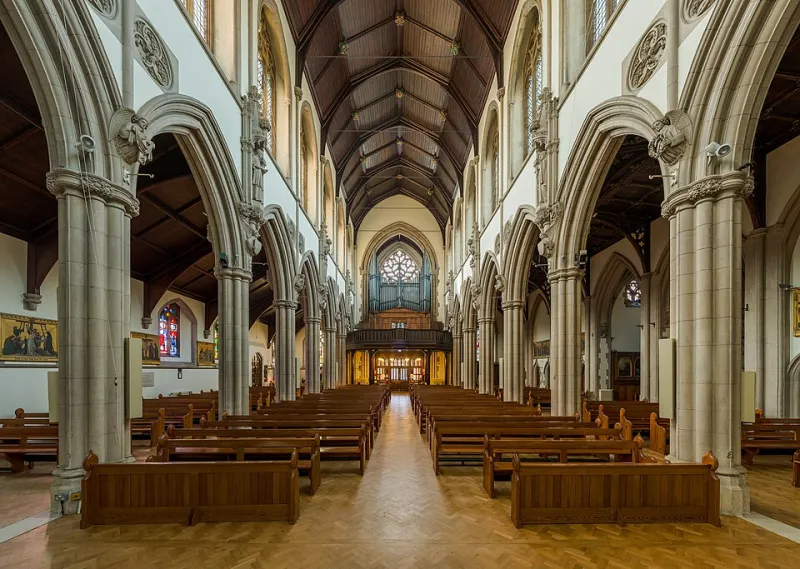
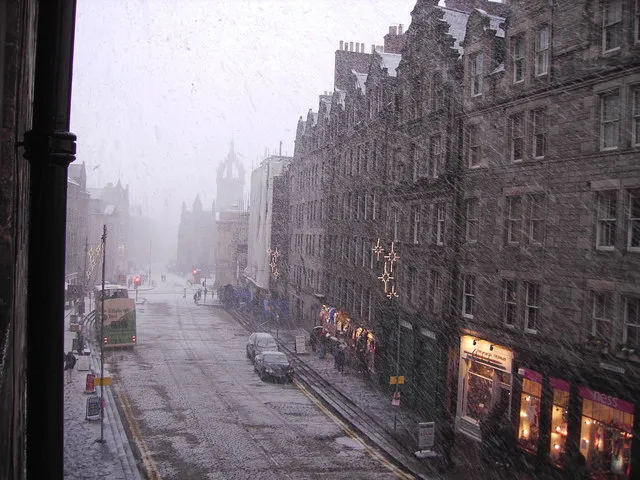
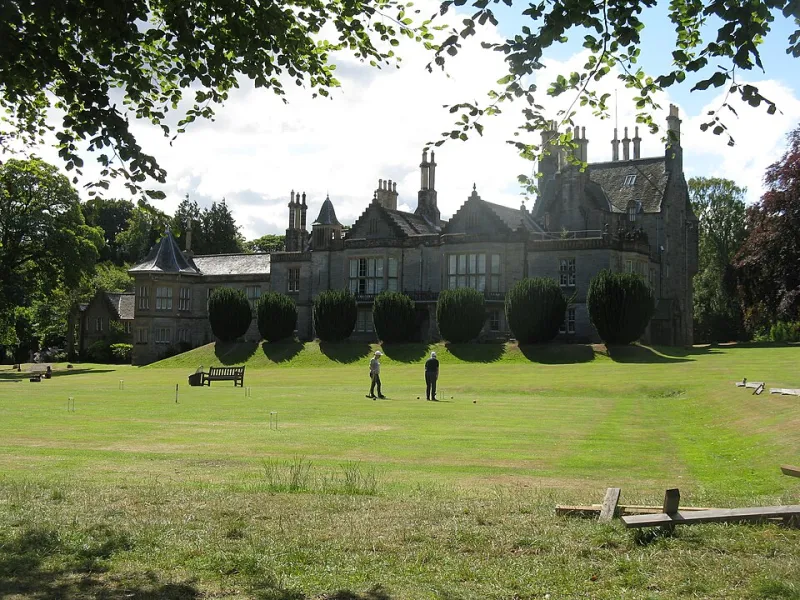
Boxes of Angels, Bottles of Glue: The Quiet December Ritual Behind Sacred Heart’s Crib
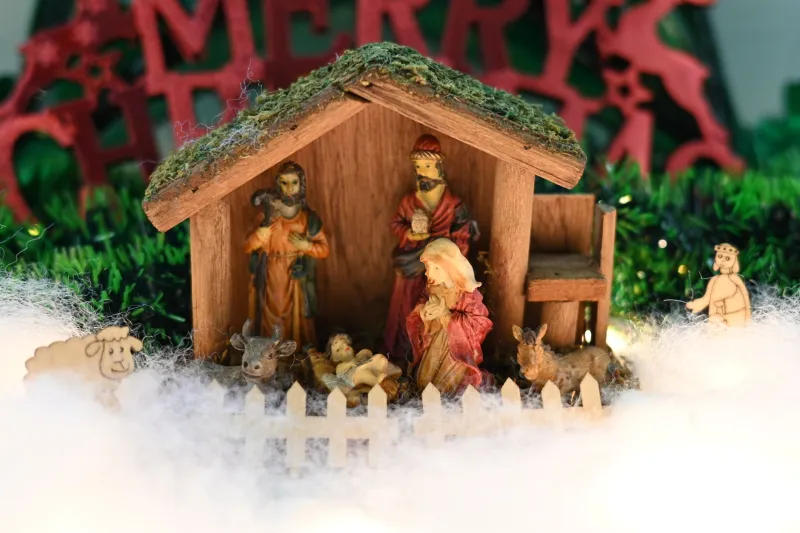
There is a particular sound that marks the start of Christmas at Sacred Heart. It is not a choir, not a bell, and not the first bars of a familiar carol. It is the soft thud of a cardboard box being lowered onto a table, followed by the rattle of tissue paper and the quiet negotiations of people deciding where the donkey ought to stand this year.
The crib is one of those parish things that looks effortless once it is done. A stable, a few figures, a star. But behind that little scene is a December routine of unpacking, checking, repairing and arranging — part craft club, part memory exercise, part neighbourhood invitation. For 2026, the volunteers who look after it are opening the workshop a little wider, and they would like more people to feel part of it.
A box with a history
The figures do not arrive fresh from a shop. They live in boxes for most of the year, wrapped and labelled, and they carry the small bruises of long service: a chipped hem here, a loose halo there, a sheep that has been glued back together more than once. Some pieces are older than the people who now care for them. Others were added after a parish appeal, a family donation, or a quiet handover at the parish door.
That mix is the point. The crib is not a museum display. It is a working scene, handled by people who know that a missing finger on an angel is not a disaster but a small job for a Tuesday afternoon.
The repair table
The repair table is where the crib’s December story really begins. Volunteers sort the figures into groups — those that need a clean, those that need a touch of paint, those that need glue and a night to set. Someone brings a magnifying lamp. Someone else brings biscuits. A pot of gold paint is passed around with the seriousness of a relic.
“It is mostly patience,” one volunteer says, pressing a shepherd’s staff back into place. “You are not trying to make it look new. You are trying to make it last another year.”
That distinction matters. The crib’s charm is in its wear. A slightly faded robe or a repaired ear on an animal tells you that this scene has been set up and taken down, year after year, by people who cared enough to keep it going. For 2026, the team is also photographing each figure before and after repair, partly for practical records and partly for the parish’s growing crib archive — a small collection of notes, images and stories that will sit alongside the physical box.
Setting the scene
The arrangement itself is a collaborative affair. Someone has strong views about the star’s angle. Someone else insists the sheep should face the manger rather than the congregation. A child — often the most useful critic — is invited to say whether the whole thing looks “right” from the aisle.
The crib is usually set up in the days before the Fourth Sunday of Advent, ready for the run of services that follow. The figures are placed gradually rather than all at once, so that the scene grows through Advent and the empty manger remains empty until Christmas. It is a small piece of theatre, but it works. Visitors often stop mid-step, look twice, and then lean in to find the familiar details: the tiny bundle, the worn paint, the handwritten label on the back of the stable that says, simply, “handle with care.”
That label could apply to more than the woodwork. For many people, the crib is a place where Christmas memories gather. A grandparent who always repositioned the donkey. A child who was allowed to carry the angel. A neighbour who came in from the cold and stayed for the carols. The crib gives those memories somewhere to land.
How to see it, lend a hand, or add a story
The crib will be in place for visitors to see throughout December 2026, and the team is keen to welcome anyone who would like to help. There is no formal rota for every task — some jobs are fiddly, some are simply about making tea — but the workshop sessions are open to parishioners and neighbours who fancy a bit of company while they work.
If you have a steady hand, there is painting and gluing. If you do not, there is sorting, labelling, photographing and door-watching. If you have a memory of the crib from any point in the parish’s life, the archive team would particularly like to hear it. Short written recollections can be left at the parish door, and the team will add them to the 2026 crib archive alongside the repair notes and photographs. It is a modest way of making sure the scene is not just looked at, but remembered.
The crib is a small thing in the life of a city. It will not make headlines. But it is exactly the kind of project that makes a parish feel like a neighbourhood: a box of figures, a pot of glue, a few people willing to spend an afternoon making something ready for everyone else. If you are passing Sacred Heart this Advent, look in. The manger may still be empty, but the room around it is already full.