Names in the Margin: A Neighbour’s Guide to Sacred Heart’s Old Registers
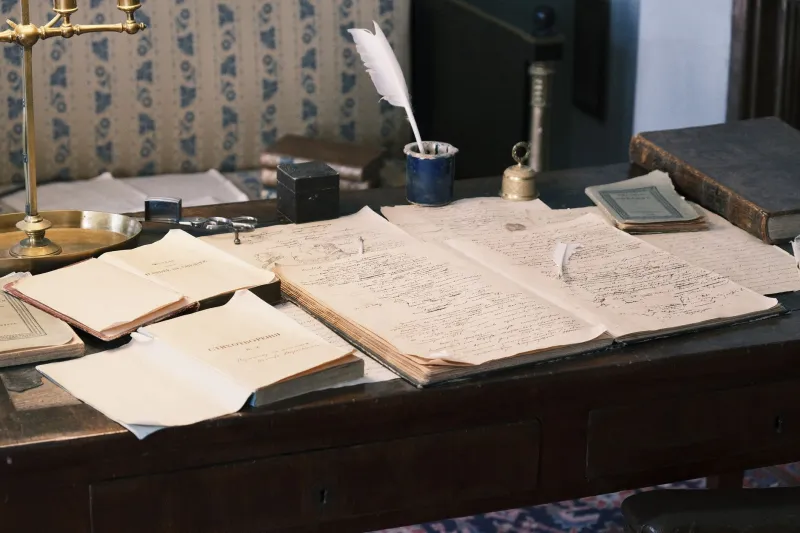
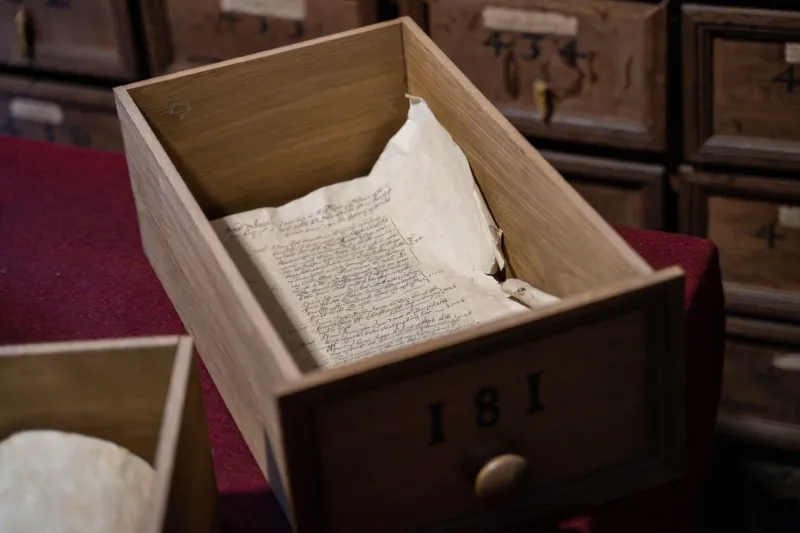
There is a particular kind of quiet in a room where old registers are open. Not the hush of a library exactly—more the feeling of a kitchen table after everyone has gone to bed. At Sacred Heart, that quiet has a practical side. People come in with a name, a rough year, sometimes just a street, and want to know where it fits. The registers are not a secret. They are simply old, fragile, and full of other people’s families, which means they need a bit of care and a bit of advance warning.
If you have been meaning to look into your own lot—or a neighbour’s, or a name that keeps appearing on a tenement close—2026 is as good a year as any to ask. Here is what to expect, how to prepare, and why the walk afterwards matters as much as the page.
What’s Actually There
The parish holds the usual run of sacramental registers: baptisms, marriages and burials, with the coverage depending on the period and on what has survived. There may also be confirmation records and other administrative bits and pieces, but the team will tell you what is available before you book. This is not a county record office with infinite shelves. It is a working parish, so access is by arrangement rather than by turning up with a notebook and a hopeful expression.
The registers themselves are handwritten, often in copperplate, sometimes in a scrawl that would make a pharmacist weep. Names are spelled as the priest heard them, which means your great-great-grandmother might appear as Bridget, Biddy, Delia or something entirely her own. Addresses are often just a street or a close, not a full number. Occupations are brief: labourer, dressmaker, carter, servant. That brevity is not a dead end. It is a set of clues.
Before You Come: A Short Checklist
First, gather what you already know. A full name, an approximate year, a spouse’s name, a street—anything that narrows the search. If you have a certificate or a family note, bring a copy, not the original. Second, write down the variants you have seen. Families moved between spellings the way people move between bus stops. Third, contact the parish office in advance and explain what you are looking for. The volunteers can then check what exists and set aside a sensible slot.
Bring a pencil, not a pen. Bring glasses if you need them. A phone is useful for notes, but ask before taking photographs; some material cannot be copied, and the volunteer will explain why. And bring patience. A register is not a search engine. It rewards a slow read.
The Volunteer at the Table
The people who help with this are not genealogists in matching lanyards, though some of them could probably hold their own. They are parishioners and neighbours who have learned the registers over years, often because they came in with their own family question and stayed. They will show you how the pages are laid out, point out the abbreviations, and tell you when a name is probably a red herring. They will also tell you when to stop for the day.
That last part matters. It is easy to keep pulling at a thread until you are three generations deep and no closer to the person you started with. A good volunteer will help you leave with two solid next steps rather than a headache. If you are stuck, ask about related records: school admissions, poor relief, cemetery entries, newspaper notices. The parish register is a door, not the whole house.
Care, Privacy and Other People’s Families
Here is the bit that does not always make it into the guidebooks. Old registers contain living people’s ancestors, and sometimes living people themselves. The parish will not hand over recent entries for casual browsing. There are privacy rules, and there is also simple decency. If you find a baptism from the 1930s, that person may still be alive. Treat the information as you would want your own family’s information treated: quietly, accurately, and without posting it online the moment you get home.
The volunteers are careful for a reason. They are not being difficult; they are looking after the records and the families behind them. Ask what you may copy, ask what you may share, and respect a no. It is a small room with a long memory, and the memory belongs to more than one person.
Then Walk It Back
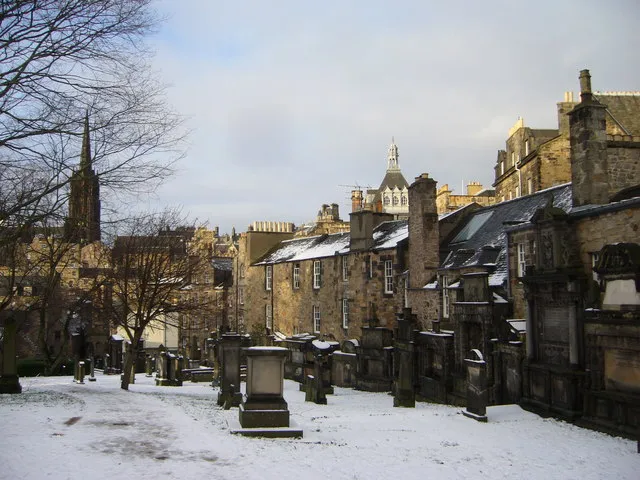
When you have your names and your streets, leave the building and go for a short loop. Head out towards Lauriston Place, turn down towards the Grassmarket, cut through the closes where the light changes. Look at the tenement fronts, the old shop signs, the bits of stone that have not been rendered over. You are not looking for a plaque. You are looking for a sense of scale: how far someone walked to Mass, where the water came from, what the street sounded like at seven in the morning.
A register gives you a line. A walk gives you a life. Neither is complete without the other. And if you find nothing on the day—if the name is not there, or the page is too faint—the walk still works. You have still stood where they stood.
A Door, Not a Vault
Sacred Heart’s registers are not a tourist attraction, and they are not a closed archive. They are a working memory of a parish that has been part of this bit of Edinburgh for a long time. If you want to look, ask. If you are not sure what you are looking for, ask anyway. The volunteers would rather help you find one true thing than watch you guess.