What the Drawer Remembers: Small Objects and Long Memories in Sacred Heart's Sacristy
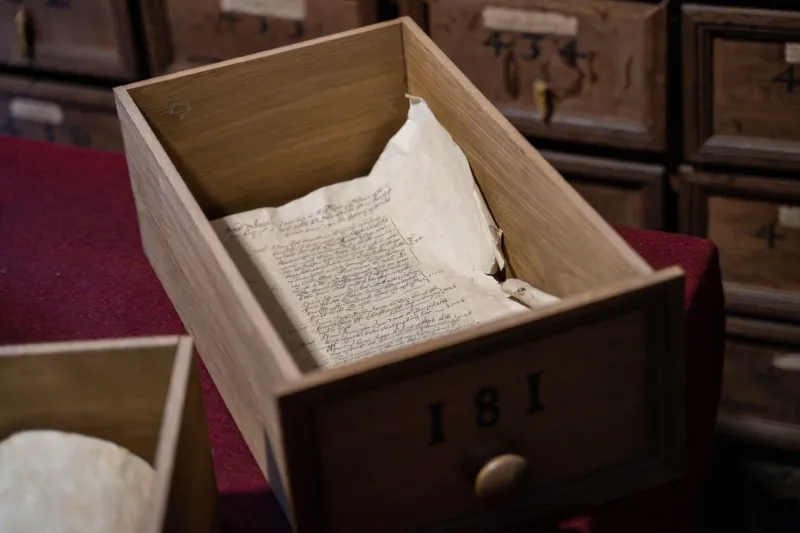
There is a drawer in the sacristy at Sacred Heart that does not lock, does not match the others, and has never been anyone's first priority. It sticks slightly in damp weather. Inside, on a lining of old newspaper, sits an assortment of objects that would not raise an eyebrow at a car boot sale and would stop a former parishioner in their tracks.
This is not an article about treasures. It is an article about evidence — the small, unglamorous kind that a community leaves behind without meaning to. Lauriston has plenty of grand architecture to admire. The drawer is something else: a record of hands.
The Door Off the Corridor
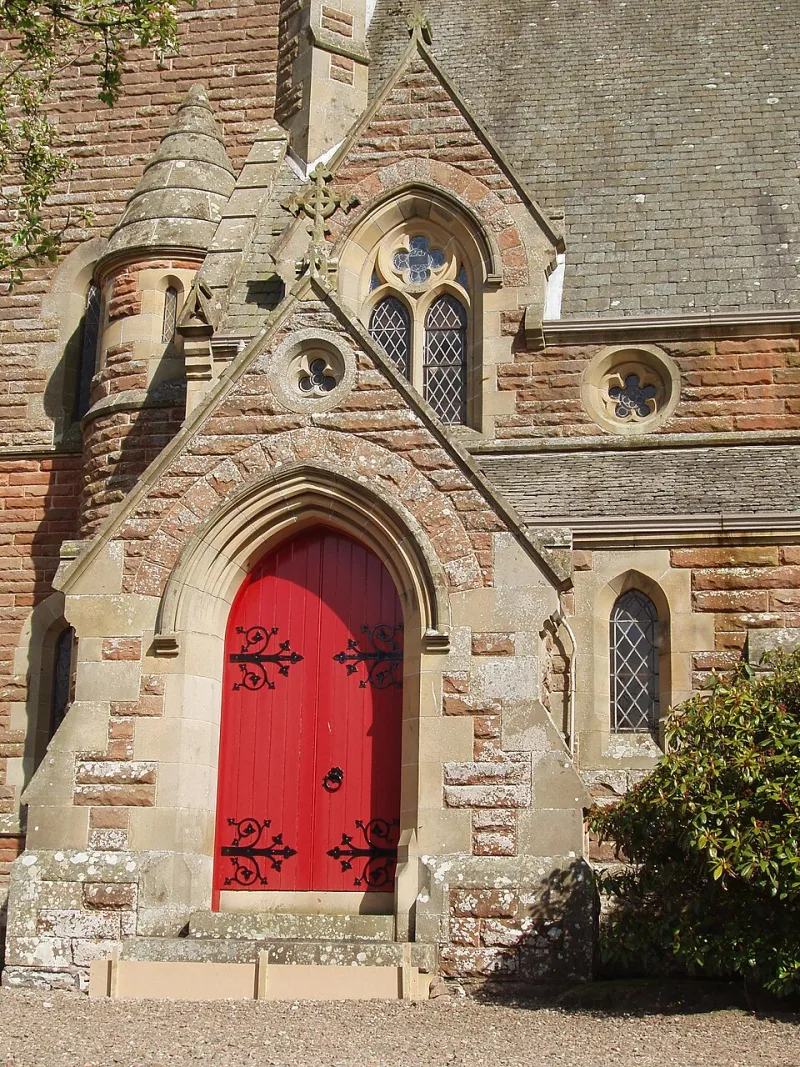
Most visitors to Sacred Heart see the church, the hall, the noticeboard by the entrance. The sacristy is the room where the practical side of parish life gets done — vestments, vessels, the small chores that make a Sunday feel effortless to everyone sitting in the pews.
"People think it's all incense and solemnity," one of the sacristy volunteers said, folding a cloth that had clearly been folded many times before. "Mostly it's checking we've got enough of everything and remembering where we put it."
The drawer is the somewhere. Over the years it has become the parish's unofficial lost-and-found, archive and junk cupboard in one, and nobody has ever quite had the heart to rationalise it.
A Candle Holder with a Chip
The first thing you notice is the brass candle holder, dented at the rim and missing a sliver of its edge. It is not the prettiest in the cupboard. It is, by common agreement, the one that gets used.
The chip came from a Christmas Eve some years back, when a reader's elbow met it during a crowded procession and it went down on stone. It was examined, pronounced "fine, honestly" and put straight back into service. Since then it has held candles at baptisms, at the Easter Vigil, at the small weekday Masses where six people sit scattered across a great many pews.
There is a lesson in that, and it is not a sentimental one. Things that are used get marked. So do parishes.
The Rota in Three Handwritings
Beneath the candle holder, folded into quarters, is a rota. The dates on it are long past. Three different hands have written on it: one looping and confident in blue biro, one small and neat in pencil, one that starts carefully and then appears to give up somewhere near the second Sunday.
It is the smallness of it that gets you. Not a grand plan — just names, swapped and scribbled, with arrows and apologies in the margins. Someone has written "sorry!" next to a crossing-out, and someone else has written "no bother" beside it.
That exchange, more than any inscription on the church walls, is a fair summary of how a volunteer rota actually holds together: not through efficiency, but through people being decent to each other when the plan changes.
A Knitted Angel, One Wing Askew
Then there is the angel. Knitted in white wool that has yellowed slightly at the edges, roughly the length of a finger, with a gold loop for hanging and a wing that has never sat at quite the right angle.
It arrived, as these things do, without paperwork. It is generally believed to have been made by a child connected to the parish primary years ago, given at Christmas, and kept ever since because throwing it out would feel like an act of vandalism.
It hangs on the tree in the hall for a fortnight each December, then comes back to the drawer. Nobody has ever suggested replacing it with something smarter. The crooked wing is the point.
What Else Is In There
A list, for the curious — none of it remarkable, all of it legible if you know the parish:
- A stub of chalk, used for marking the floor before a procession.
- Two spare batteries "for the thing in the porch," now in a bag labelled with the same words.
- A torn photograph of a group of volunteers outside the hall, nobody entirely sure of the year.
- A small tin of safety pins, half full.
- A child's drawing of the church, with the tower very much too tall.
- A wedding order of service with a name nobody in the current team recognises.
- A key to a cupboard that may no longer exist.
Every one of these is a small act of not-quite-throwing-away. Every parish has a drawer like this. Most parishes have several.
Why It Matters More Than It Sounds
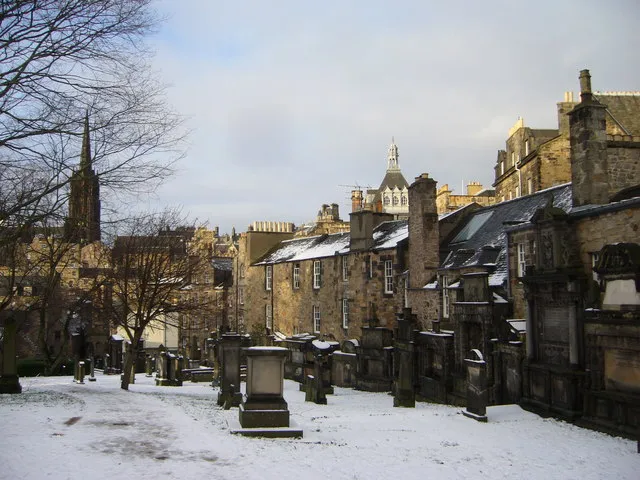
It would be easy to write this off as charming clutter and move on. But there is something quietly civic about the drawer. It is a reminder that Sacred Heart is not just a building on a map of Edinburgh's Old Town, and not just a Sunday gathering, but a continuous run of people who have done small jobs, badly and well, for a very long time.
The people who chipped the candle holder and wrote "sorry!" on the rota are mostly not the people doing it now. But the objects pass along, and the habit of keeping passes with them. Laurenson's, the museum mile, the castle: these tell you about Edinburgh. A tin of safety pins tells you about a neighbourhood.
Have a Look, Gently
If you are visiting Sacred Heart — for a service, a concert, a coffee morning after the ten o'clock — you will probably not be shown the drawer. It is not a visitor attraction, and the volunteers have enough to do.
But the next time you are in the hall and someone asks whether anyone has a spare pair of scissors, you will know exactly which cultural institution they are referring to. And if you happen to have something small and slightly useless that reminds you of this place, you might ask whether there is room in there.
There usually is. That is how the drawer got to be the way it is.